
75 ZT Enthusiasts
Most cars are a means to an end; they get you from A to B and they cost you money! But how much do you enjoy ownership? Sure, some are status symbols, some are fast, some excel in certain areas. However, just occasionally a car comes along that has ‘that bit’ more…something that makes them stand out from the crowd, something that makes them special. Often, it is simply that the car is greater than the sum of its parts…it has style, class, the ability to make the driver smile…most of all, it has character. The 75 ZT range fits that description. Low profile, not really noticed on the roads, dismissed by most motorists. But those who know those who drive one are the people who have learnt the open secret that so many people haven’t seen.
The next time you are out on the road, take the time to see what you in the ‘older car’ category is around and see how many 75s and ZTs, looking in far better condition than much younger vehicles, are unobtrusively wending their way to their destinations. Instantly recognisable in ‘retro’ 75 form or ‘mildly menacing’ ZT guise, these cars get appreciated by their owners, get looked after and cherished as a result. Not the fastest, not the coolest but indefinably special just the same. They are cars that are full of thoughtful little surprises that you just can’t help appreciating, cars that’ll take you wherever you want to go, safely, in great comfort and in style.
Twenty years after the demise of MG Rover Group, the cars live on. Something that is a bit different, a bit special… a build quality and thoughtfulness of design that far surpasses many much newer cars….it isn’t ‘modern’, it’s good.
Relax, it’s a Rover…because life is too short not to
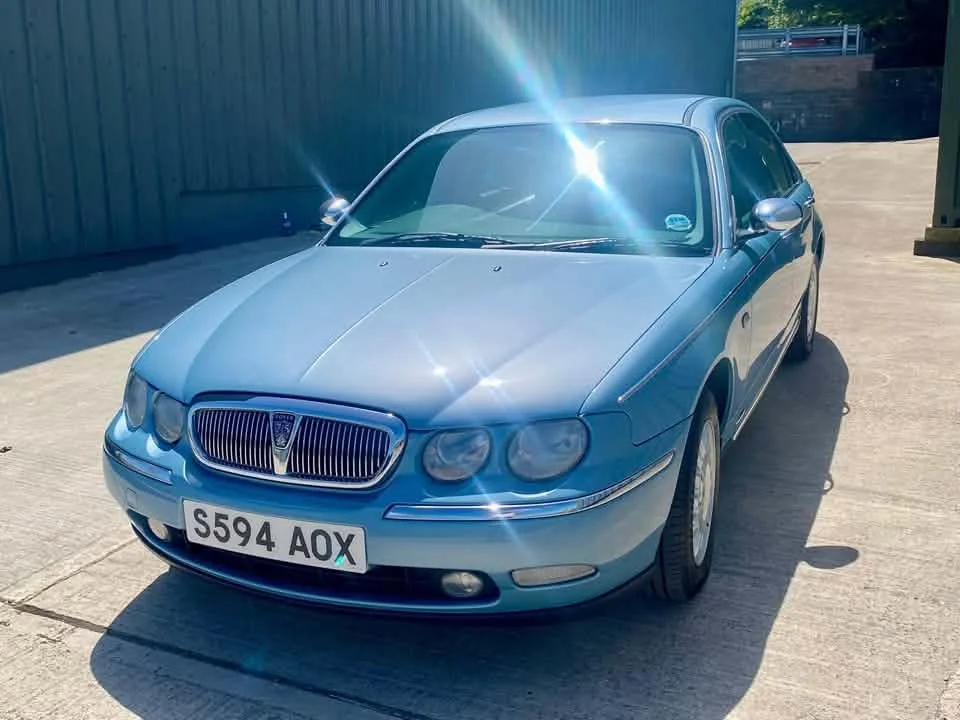
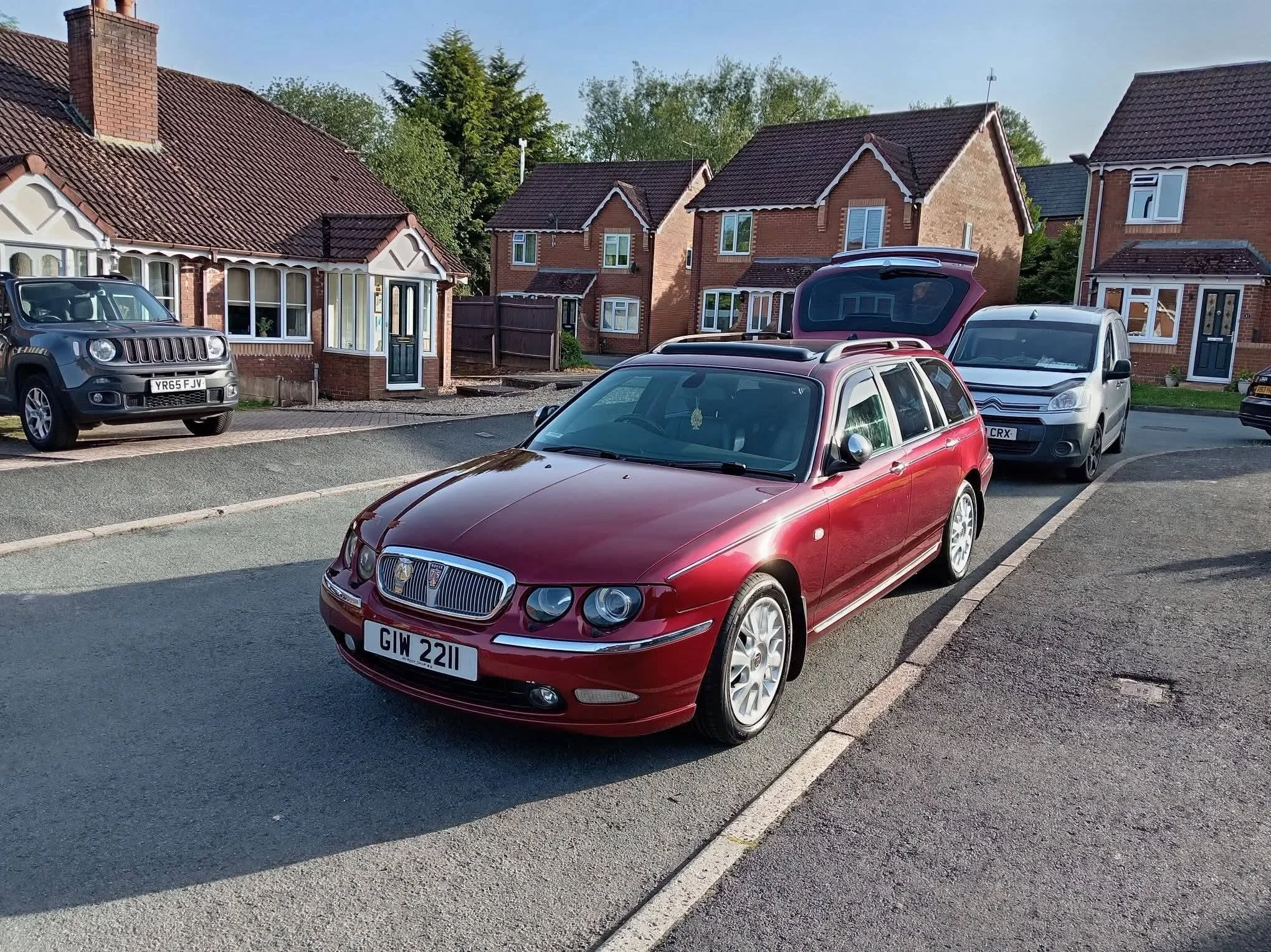
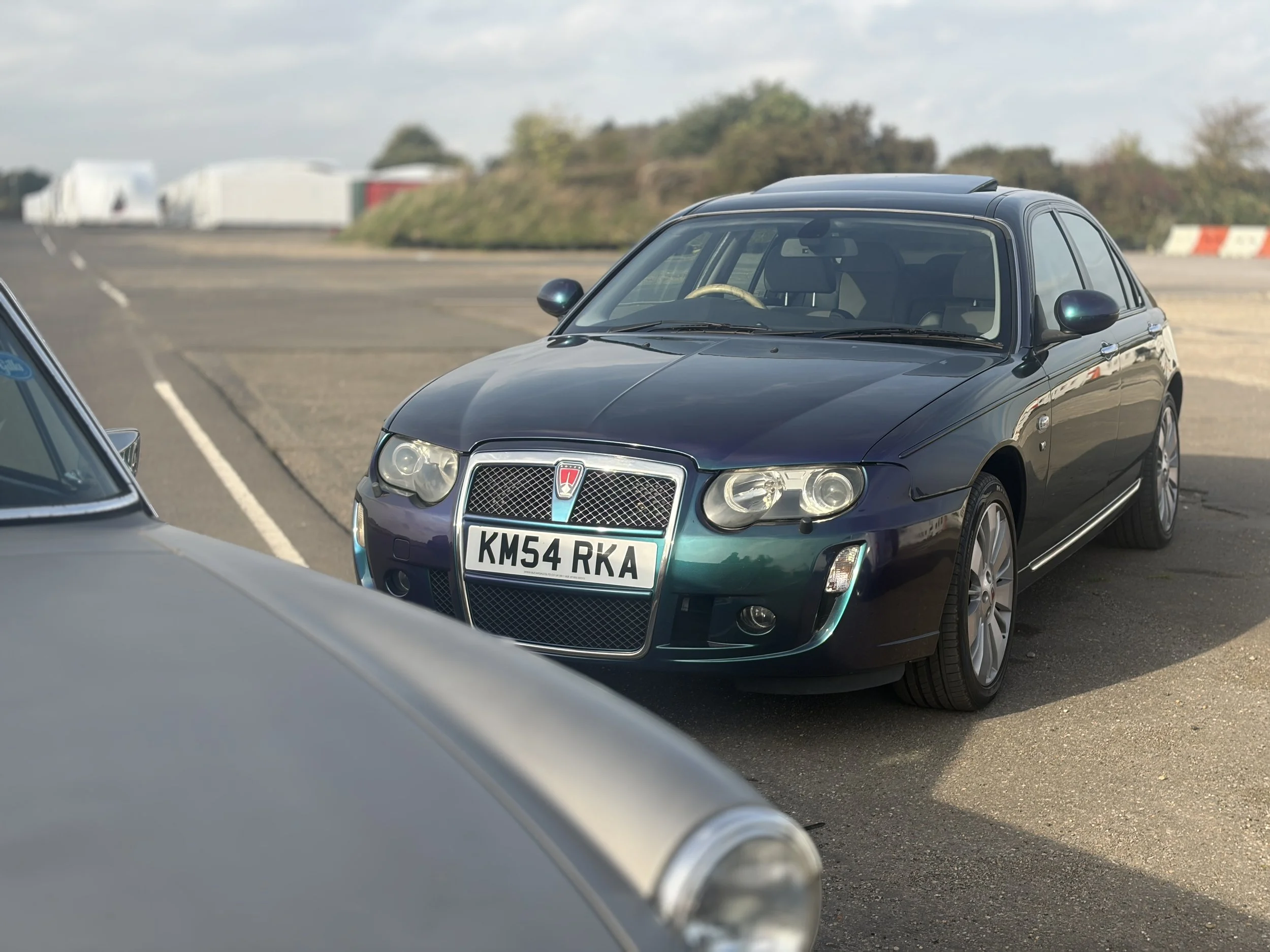
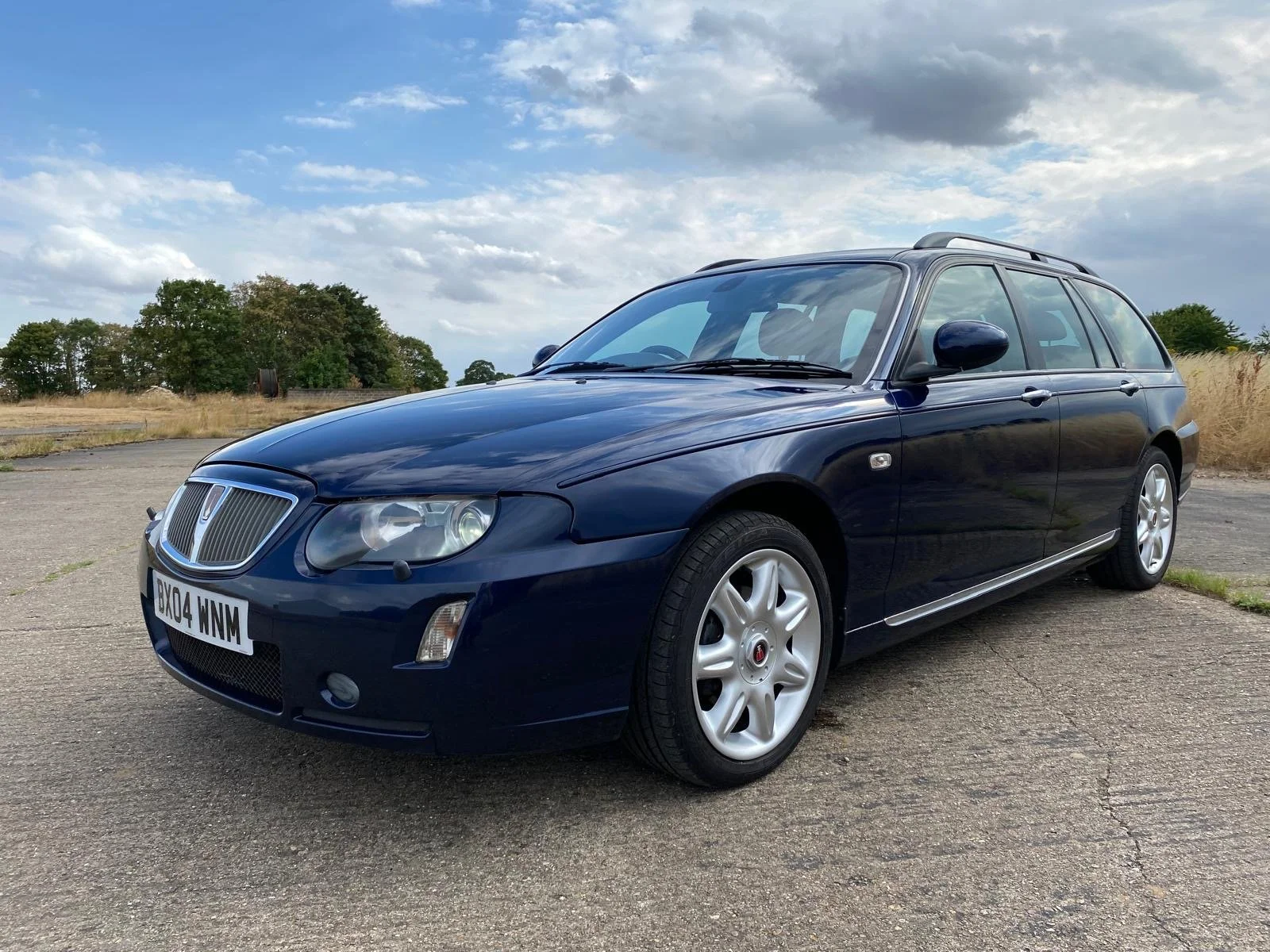
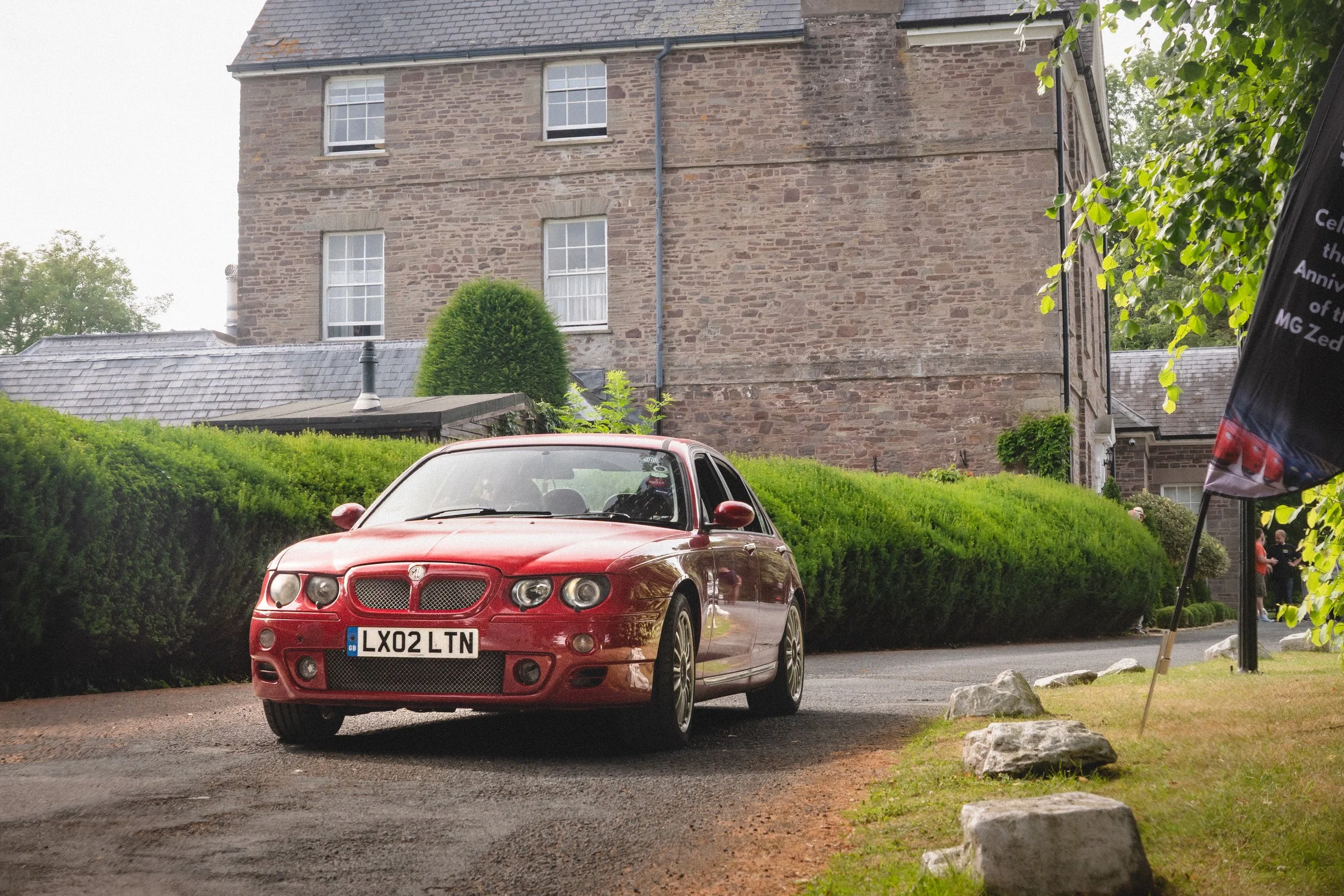
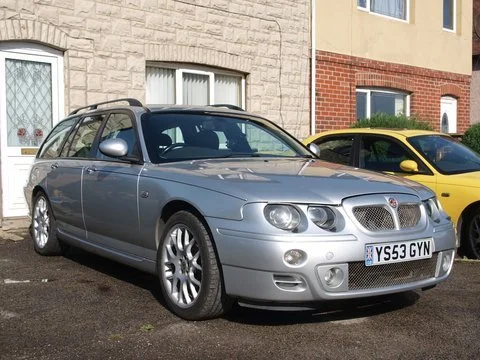
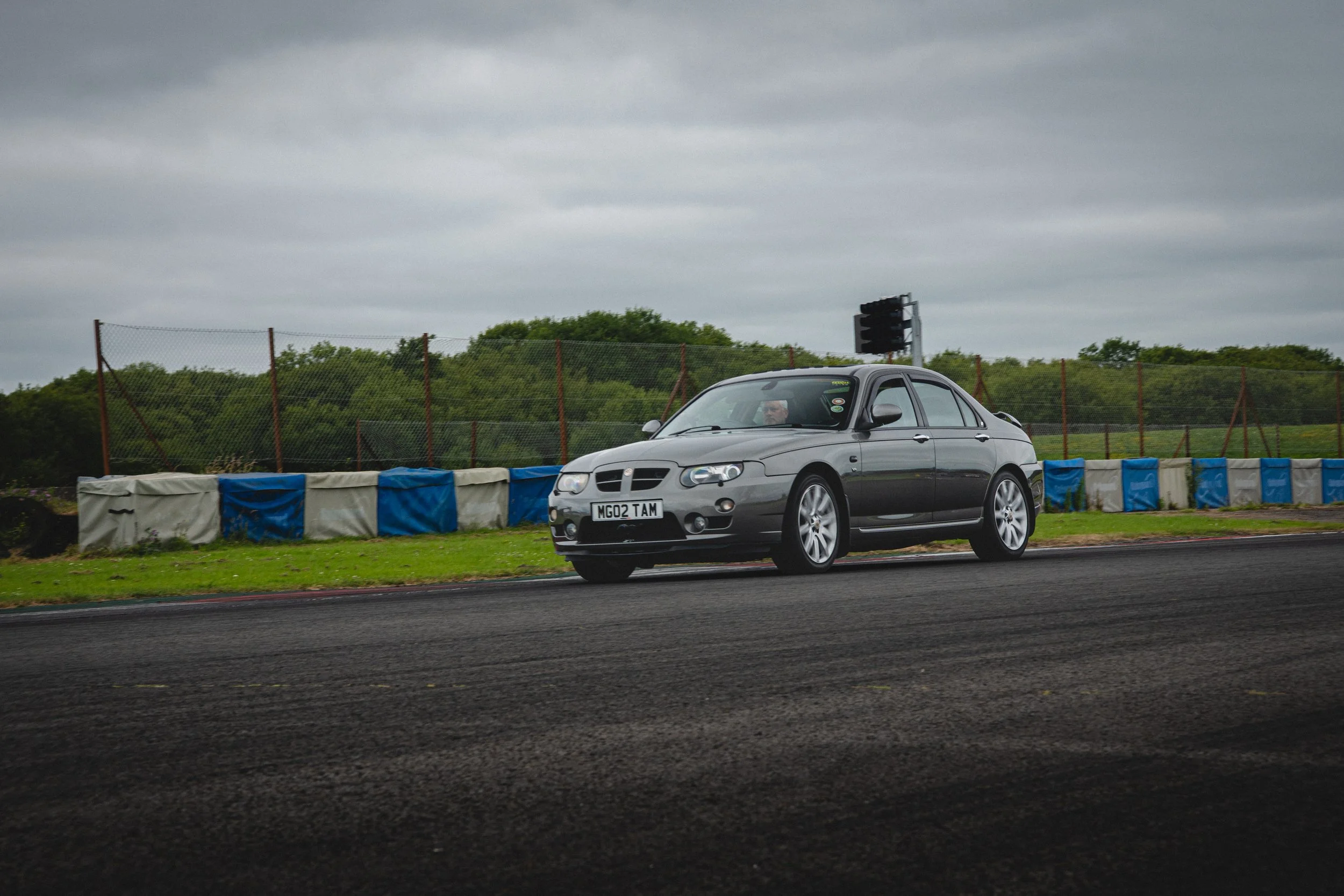
About the Rover 75
The Rover 75 started life as part of a group of three new designs , for the Rover Group under the guidance of Richard Woolley; a large saloon codenamed Flagship, a smaller vehicle (with the codename of Eric), and the 75. Of these only the 75 concept was progressed. The initial aim was to reskin the Rover 600 (launched in April 1993) but following the BMW takeover in 1994, it was quickly decided that this platform would not be reused but replaced by an entirely new model, scheduled for launch in the late 1990s.
Work on the new model, codenamed R40, progressed with little operational interference from BMW; the styling received an enthusiastic response from the management, and both companies believed the classical look would be the ideal direction for Rover.
The Rover 75 debuted at the Birmingham Motor Show on 20 October 1998 and went on sale until 17 June 1999 having been extensively tested by the motoring press. The 75 featured a range of petrol and diesel engines from 1.8- to 2.5-litre sizes. Petrol engines provided were Rovers four-cylinder K series in 1.8-litre guise and the quad cam KV6, offered in either short-stroke 2.0 or revised 2.5-litre formats. The 2.0-litre was later dropped on introduction of the 1.8-litre turbo for emissions purposes. A diesel engine was provided through BMW Group channels. Engineered by Rover Group and Steyr engineers for transverse mounting, the 4-cylinder M47R (M47 Rail) differed from M47D20 engines found in the E46 3 Series and E39 5 Series by featuring a direct injection common-rail system, different turbocharger and more sophisticated systems for temperature management.
Transmissions on all models were either the Getrag 283 5-speed manual, supplied from the company’s new facility in Bari, Italy, or the JATCO 5-speed automatic unit, one of the first transverse engine deployments made with this feature.
Disc brakes at all four wheels were augmented by a Bosch 5.7 4-channel ABS system and electronic brake force distribution. The parking brake was a cable operated drum integral within the rear discs. Suspension was via front MacPherson struts, anchored by alloy lower L-arms and widely spaced mounting points. The rear suspension was a version of BMW’s Z-Axle arrangement used on the 1988 Z1 sports car.
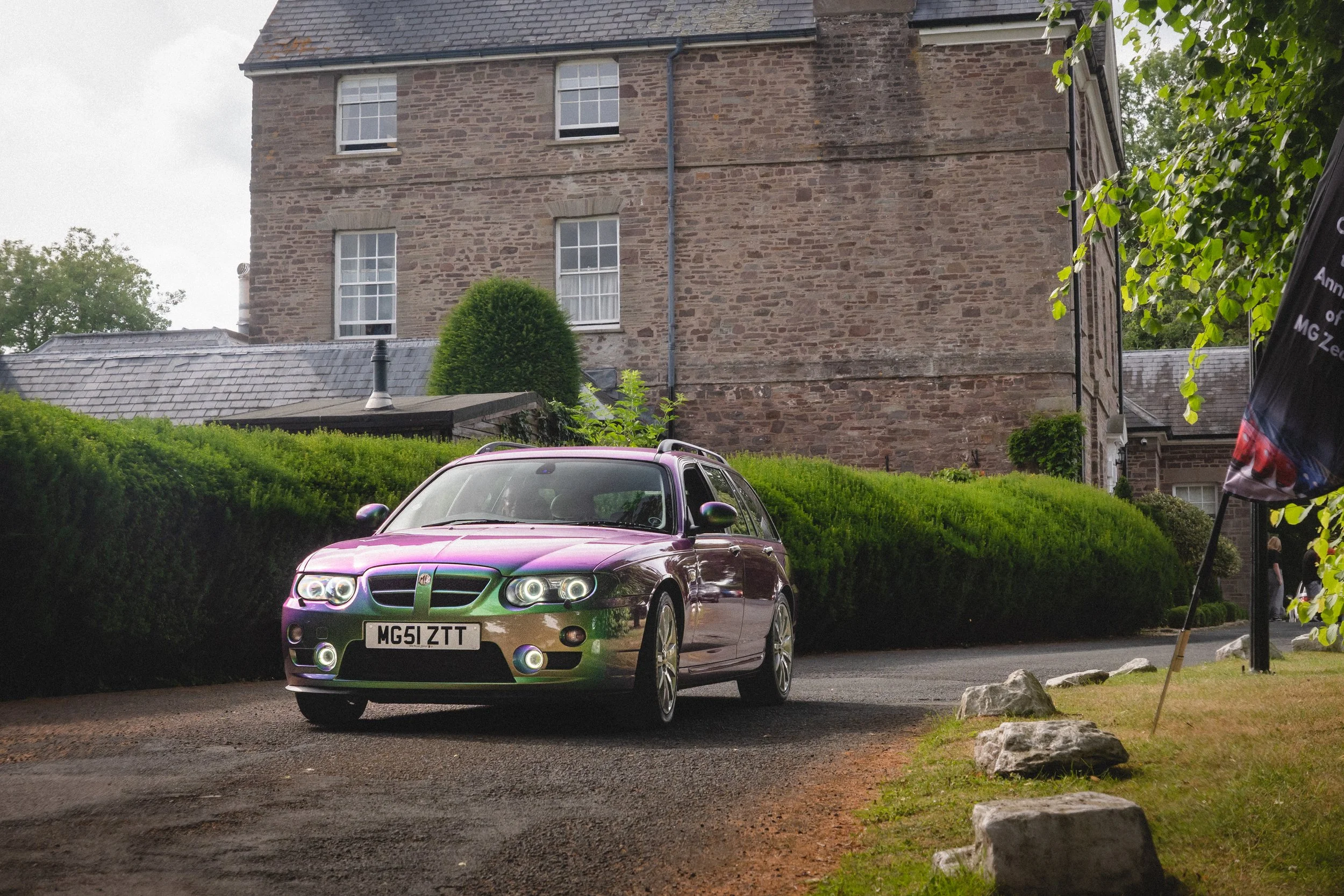
Assembly originally took place at the Rover Group Plant in Cowley but in 2000, following the breakup of Rover Group by BMW, the volume car business was sold to Phoenix Venture Holdings, production was moved to MG Rover Group (as the company was now known) Plant Longbridge in Birmingham. 2001 saw the introduction of the Rover 75 Tourer (developed alongside the saloon but never authorised for production by BMW), swiftly followed by the MG ZT and MG ZT-T, more sporting interpretations of the model, differentiated by modified, sporting chassis settings and colour and trim derivatives. Between 2000 and 2003, there were few changes to the range: the most significant was the replacement of the 2-litre V6 engine by a low-pressure-turbocharged version of the 1.8-litre, four-cylinder engine. The introduction of the ‘greener’ 1.8-litre turbo greatly benefited British company car drivers who are taxed on carbon dioxide emissions. A customisation programme, Monogram, was launched, allowing buyers to order their car in a wider range of exterior paint colours and finishes, different interior trims and with optional extras installed during production. Rather surprisingly, the 75 was offered for sale in Mexico, making it the first Rover to be sold in the Americas since the Sterling.
Rover 75 Long Wheelbase
A stretched version of the Rover 75—initially called Vanden Plas (later simply Limousine) was introduced in 2002. Developed in conjunction with vehicle builder S. MacNeillie & Son Limited in Walsall, England, the model was stretched by 200 mm in the rear floor pan and altering the rear doors. Available only in Connoisseur specification, its production moved to Longbridge after an initial short run by MacNeillie. The 75 was a ministerial car in the British Government, Tony Blair having official use of one while he was Prime Minister. Alistair Darling was also seen in a long wheelbase Rover 75.
Rover 75 V8
Rover announced a V8 model at the 2004 Geneva Motor Show. This was the second iteration of the rear-wheel-drive platform developed from the front-wheel-drive Rover 75 platform by MG Rover, following the MG ZT 260, introduced in 2003. It was the first V8-engined Rover since the demise of the Rover SD1 in 1986. The platform was extensively re-engineered for the 4.6 litre version of the Ford Modular engine and rear-wheel-drive, including a stiffened tunnel and bespoke rear suspension.
As with the ZT 260, the 75 V8 was built on the standard production line, removed to allow the necessary structural modifications and installation of the V8 drivetrain, then returned to the line for final trim. Instead of the MG ZT 260's Tremec TR-3650 manual gearbox, the Rover 75 V8 featured Ford’s 4R75W 4-speed automatic transmission. Other features included non-standard heating and ventilation, revised brakes and suspension, quad exhaust pipes, special badging, and a premium front bumper featuring a deeper grille. 166 were produced in both saloon and tourer body styles, compared with 717 MG ZT 260s, for a total of 883 V8 cars.