
A message from the founder…
Neil Allen is the founder of the reborn “Metro Enthusiasts” community, now operating proudly as part of MG Rover Hub. His journey began in 2023 with the creation of the original “Metro Enthusiasts” Facebook group, a grassroots space for owners to connect and celebrate the iconic Austin, MG and Rover Metro models, including all Special Editions. Although the group closed in early 2024 due to personal reasons, the experience gave Neil a clear understanding of what a sustainable, well‑organised car community should look like.
In April 2026, following an agreement to integrate with MG Rover Hub, the group was revived as a club with a stronger foundation, broader support, and a renewed vision, which from July 2026 after sustained growth and feedback from others within the community, expanded to also cater for the Classic Mini and it became the “Classic Mini and Metro Enthusiasts Club”
Today, Neil leads the Classic Mini and Metro Enthusiasts Club within the MG Rover Hub with a focus on heritage, community, and accessible events that bring enthusiasts together across the UK.
The collaboration between both our clubs brings together a group of MG & Rover enthusiasts, along with a club structure which gives members of Classic Mini and Metro Enthusiasts Club access to an affordable paid‑for club run for enthusiasts by enthusiasts, bringing members many benefits including an insurance scheme and other discounts such as the directly negotiated discount with Hydragas and Hydrolastic Service Ltd, which of course benefits our beloved Metro’s and the early Classic Minis.
We now embark on the next exciting stage of our journey, as we not only grow the club as a brand of MG Rover Hub with more exciting benefits, but also, it's onwards and upwards, with drive outs, meets, more presence at shows and many more things to come. Something that we could not do at the scale we want to do on our own, so watch this space as we become one of the clubs to join.
We look forward to you becoming part of the club and joining us on the next part of our journey.
Neil Allen
Classic Mini and Metro Enthusiasts Club
About the Classic Mini (1959 to 2000)
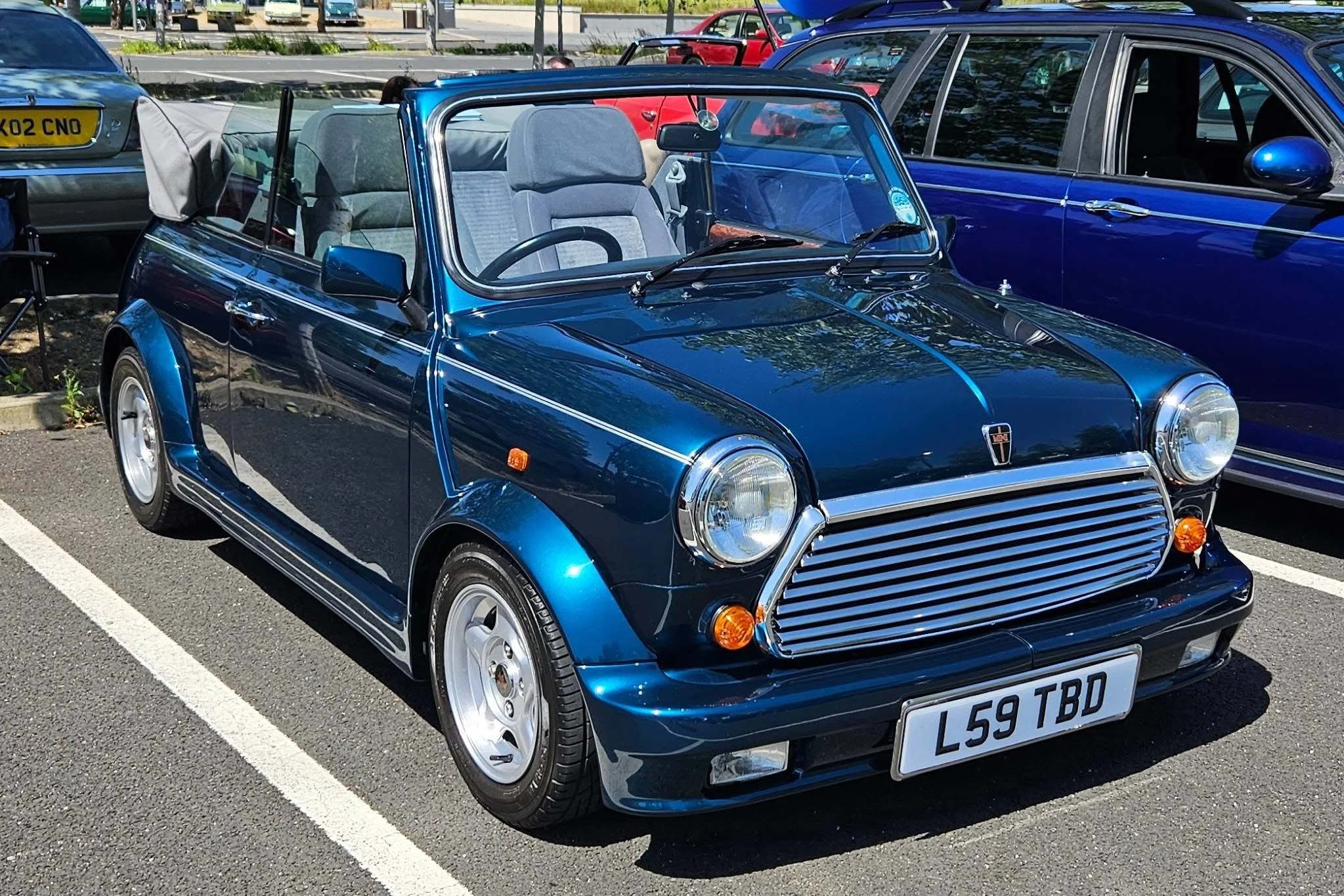
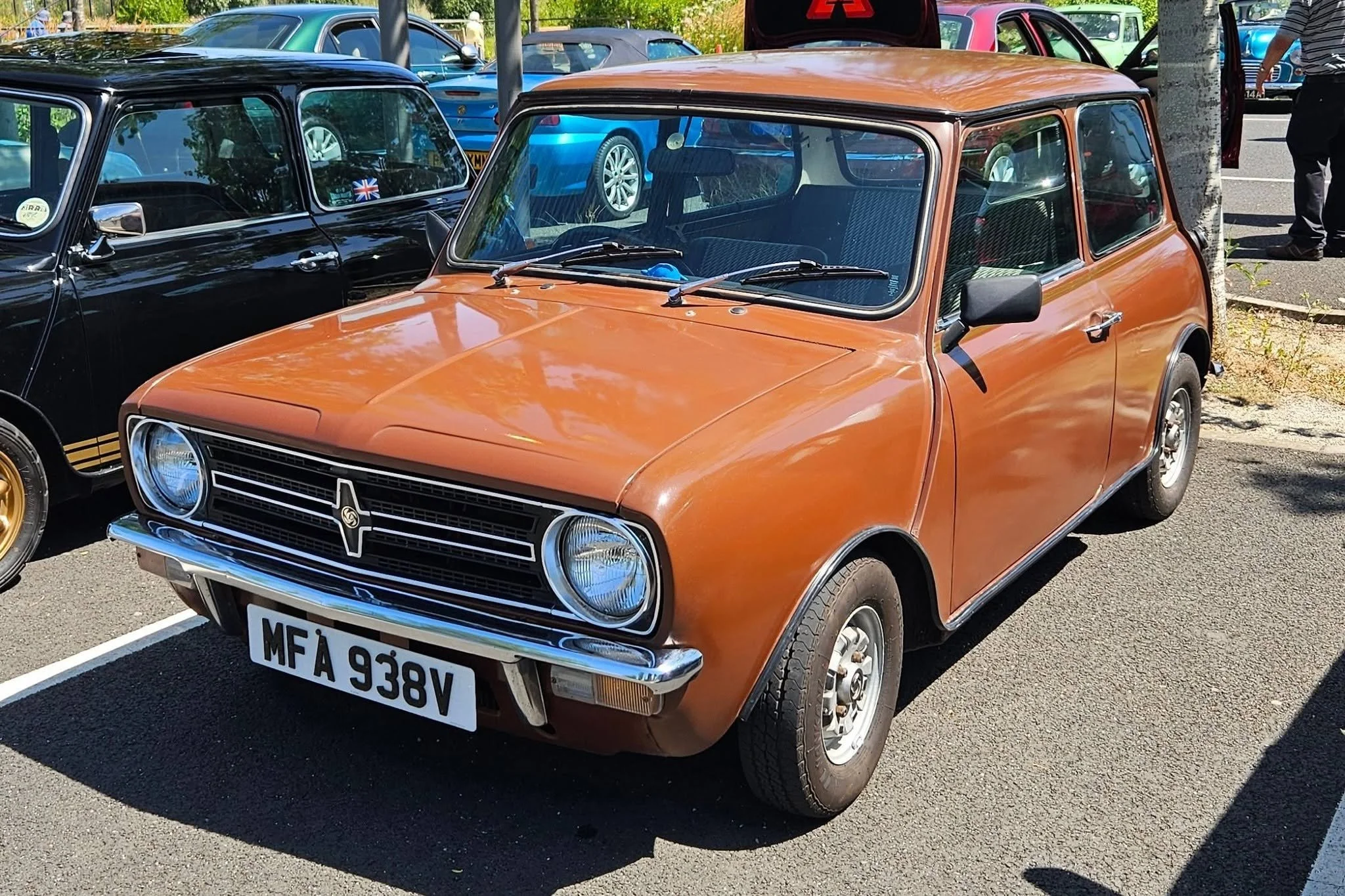
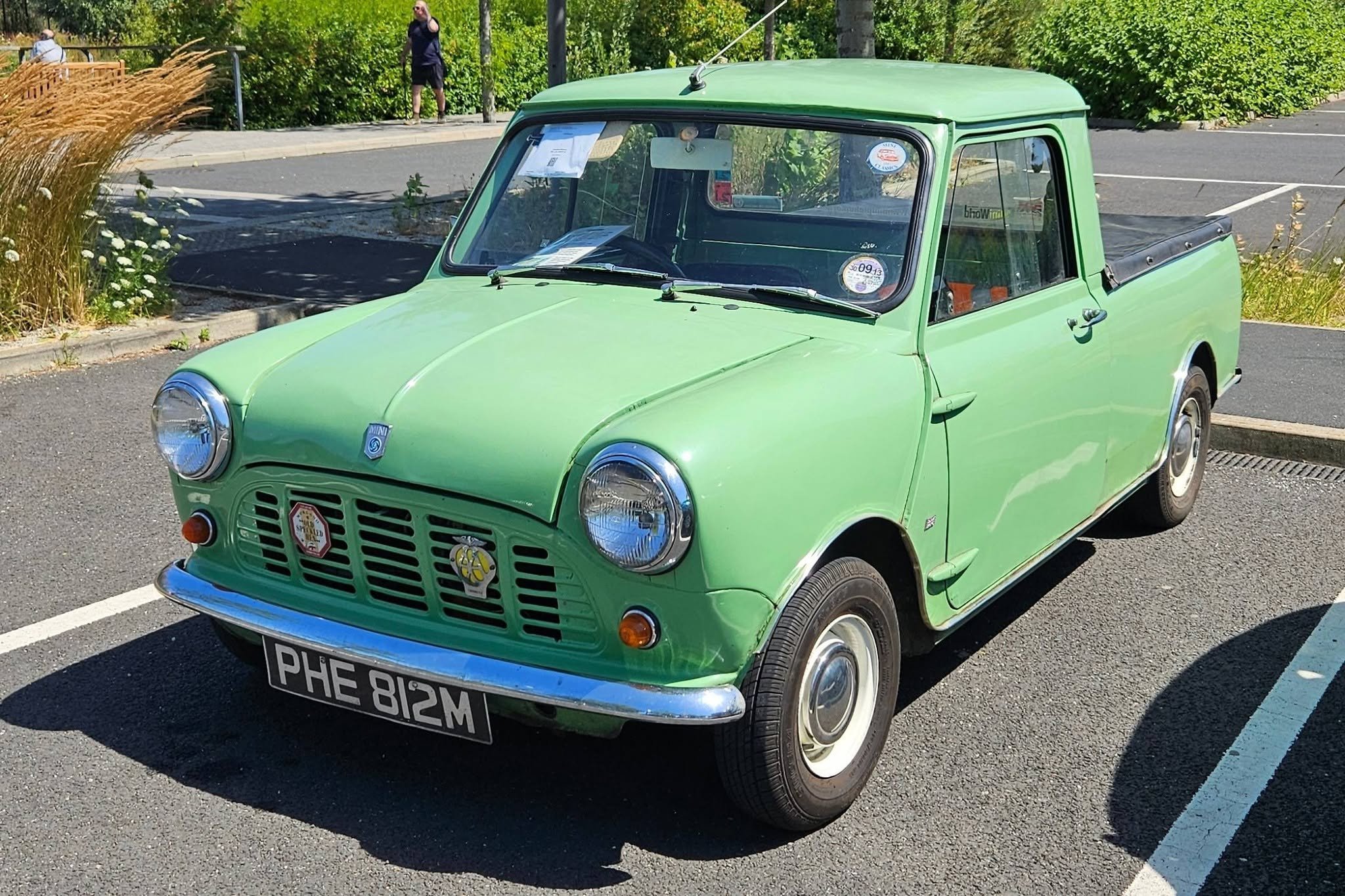
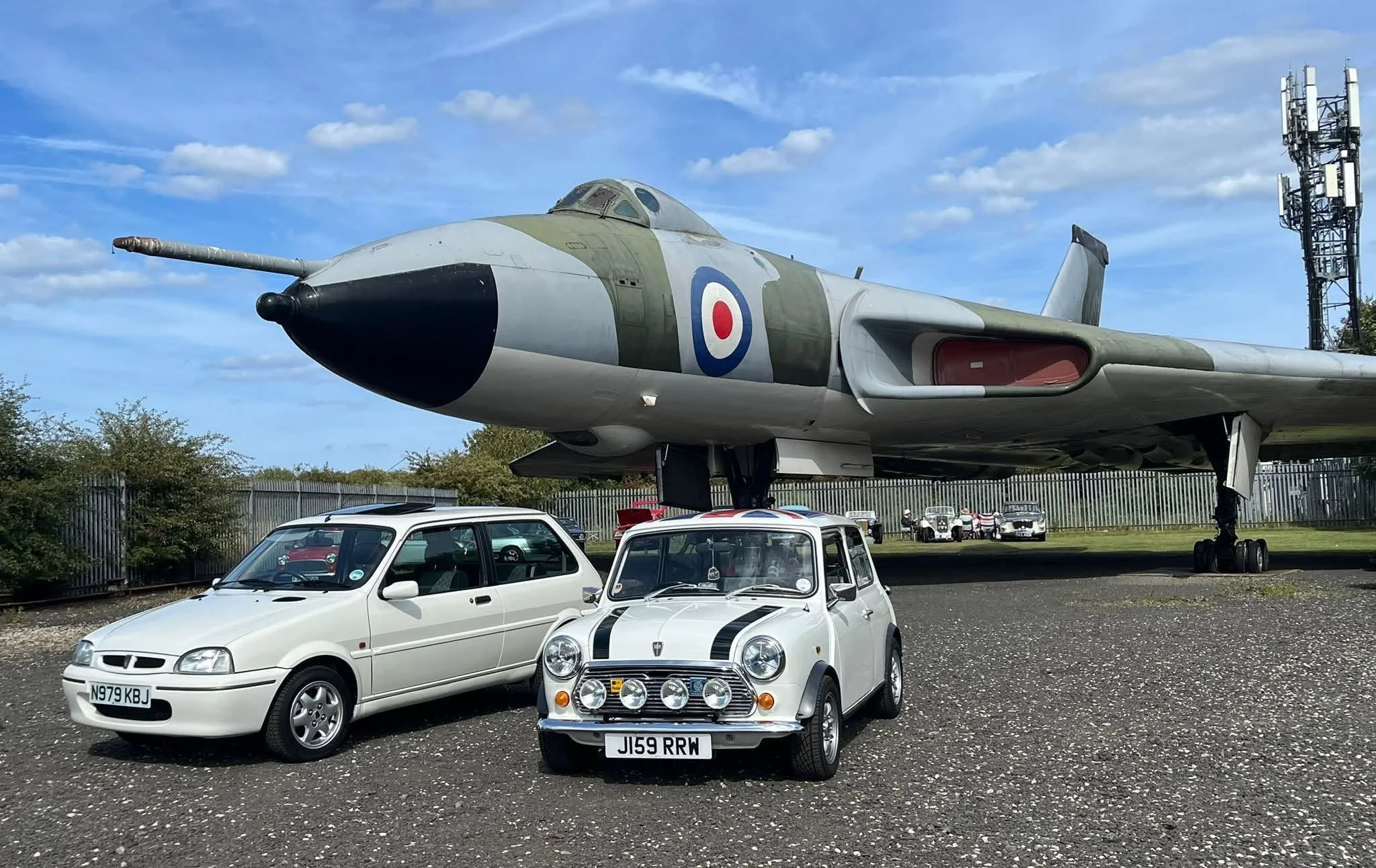
The Classic Mini is a two-door, four-seat small car produced for four decades by the British Motor Corporation (BMC) and its successors British Leyland and the Rover Group, and finally (briefly) under BMW ownership when it broke up the Rover Group, the classic Mini was produced for a few months under licence. Minis were built as saloons, estates, convertibles, and various other body styles. Minus a brief 1990s hiatus, from 1959 into 2000, an estimated 5.38 million of all variations combined were built.
Initially, the Mini was marketed under the Austin and Morris names, as the Austin Seven and Morris Mini-Minor; the Austin Seven was renamed Austin Mini in 1962 and Mini became a marque in its own right in 1969.Retrospectively, the car is known as the "Classic Mini" to distinguish it from the modern MINI family of vehicles produced since 2001 by BMW at its Oxford plant since 2001.
This distinctive two-door car was designed for BMC by Sir Alec Issigonis. Its space-saving transverse engine, integrated sump transmission, front-wheel drive layout – allowing 80% of the area of the car's floorplan to be used for passengers and luggage. The front-wheel-drive, transverse-engine layout were used in many other "supermini" style car designs such as Honda N360 (1967), Nissan Cherry (1970), and Fiat 127 (1971). In 1999, the Mini was voted the second-most influential car of the 20th century, behind the Ford Model T, and ahead of the Citroën DS and Volkswagen Beetle.
The Mini Mark I had three major UK updates: the Mark II, the Clubman, and the Mark III. Within these was a series of variations, including an estate car, a pick-up, a van, and the Mini Moke, a jeep-like buggy. The performance versions, the Mini Cooper and Cooper "S", were successful as both race and rally cars, winning the Monte Carlo Rally in 1964, 1965, and 1967.
Mini manufactured in England at the Longbridge plant in Birmingham located next to BMC's headquarters and at the former Morris Motors plant at Cowley, as well as in Australia (Victoria Park/Zetland BMC Australia factory) and later also in Spain (Authi), Belgium, Italy (Innocenti, as the Innocenti Mini), Chile, Malta, Portugal, South Africa, Uruguay, Venezuela, and Yugoslavia (IMV).
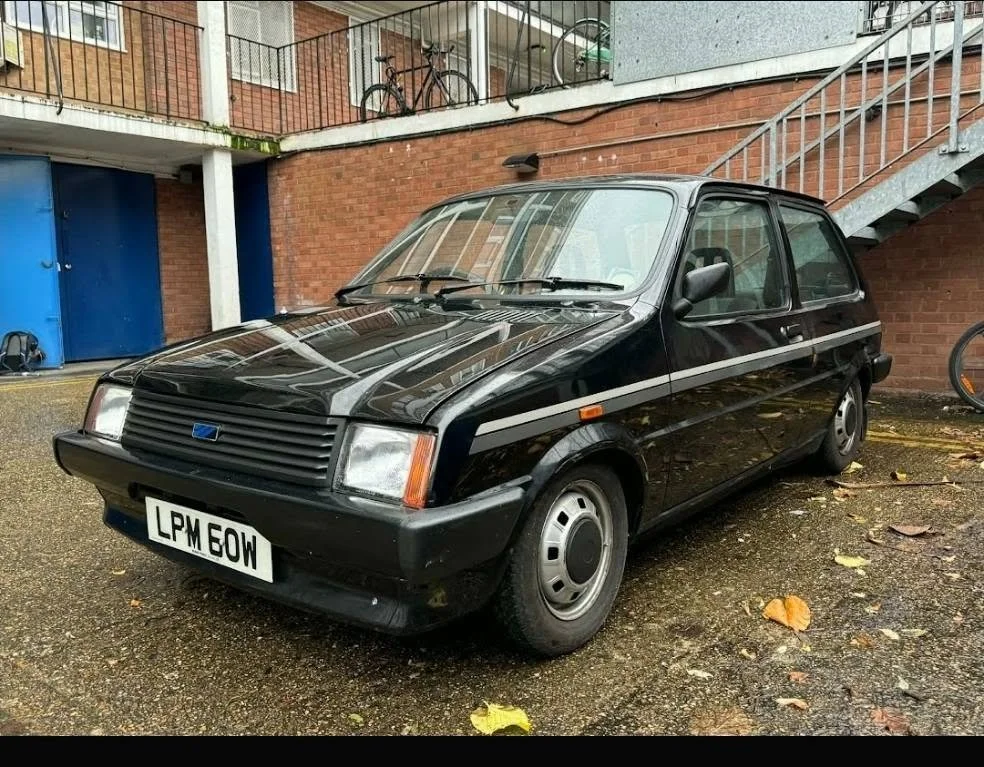
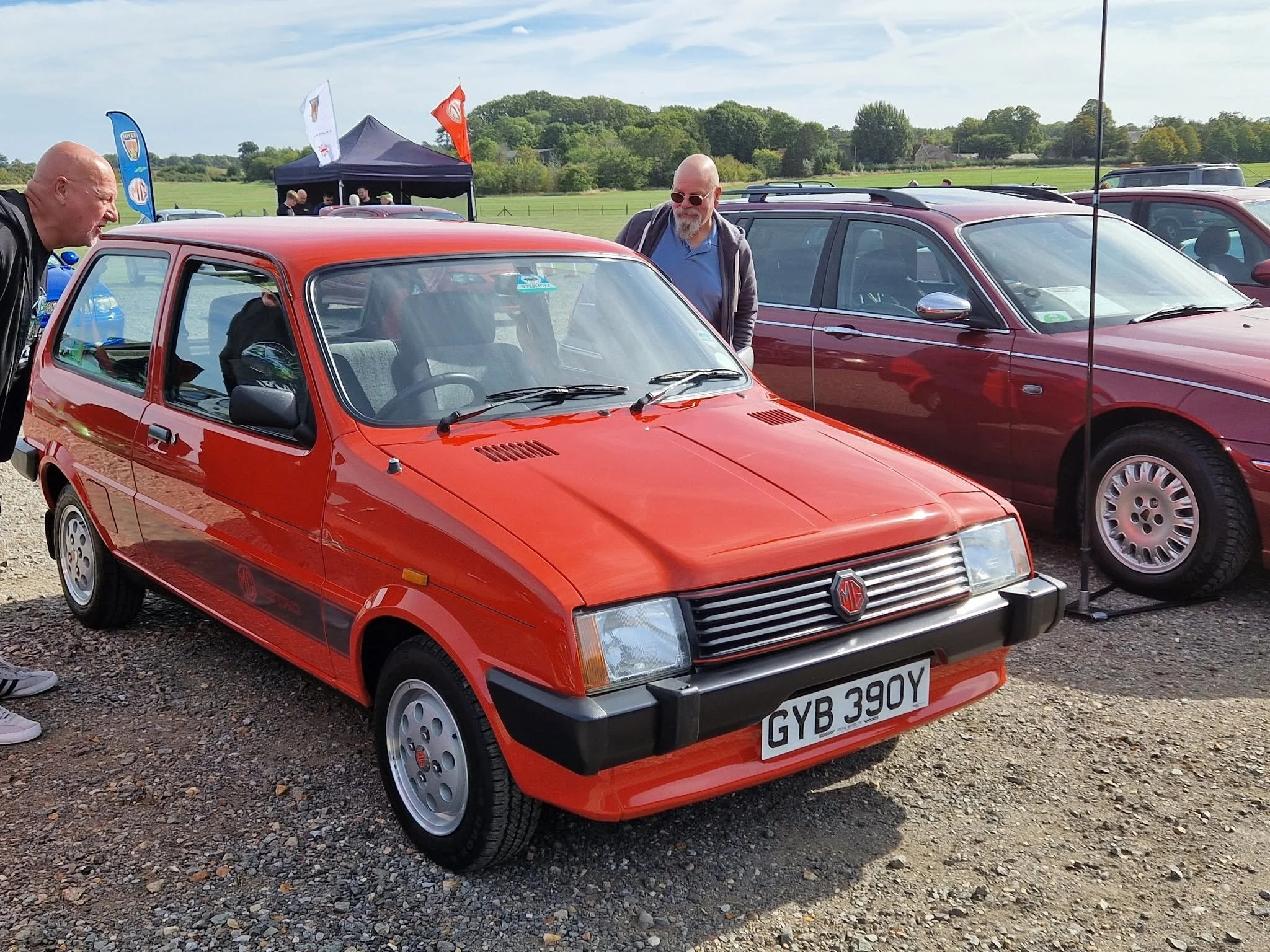
About the Metro
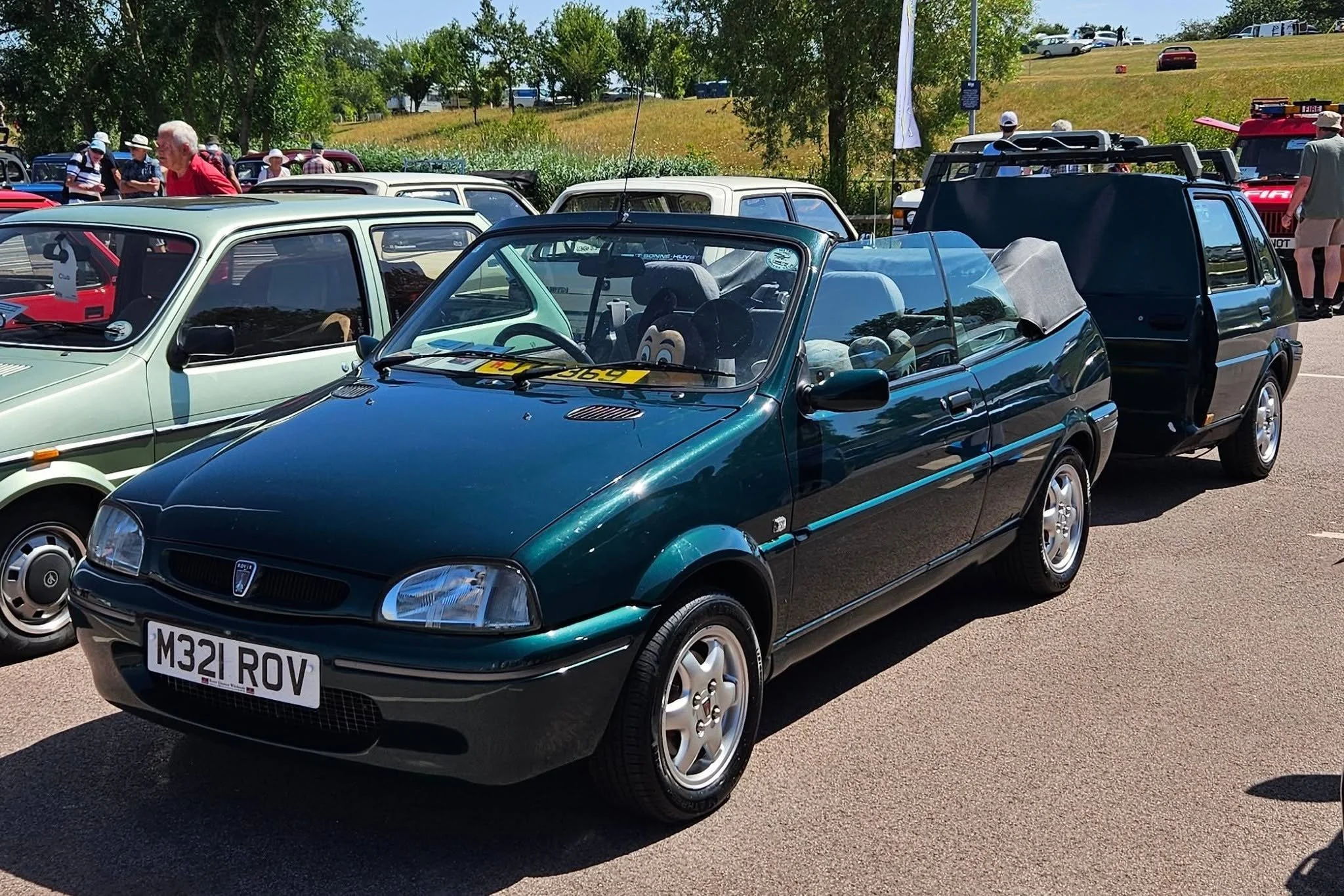
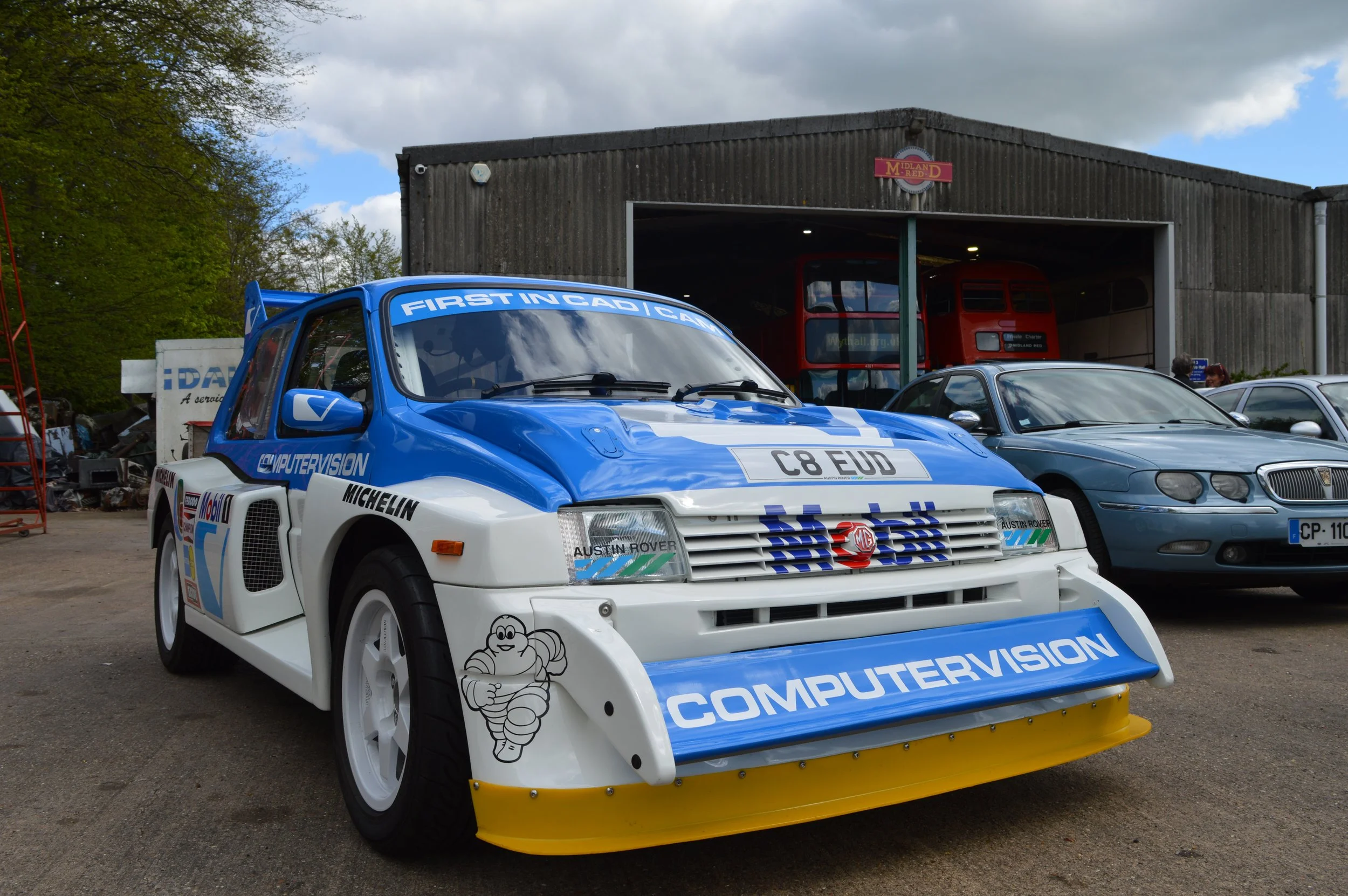
The Metro is a Supermini, that was produced from 1980 to 1997, first by British Leyland (BL) and later by its successor the Rover Group. The Metro was intended to complement and eventually replace the original Mini.
It was launched as the Austin Mini Metro and sold under the Austin badge, in 1982, sportier MG versions were made available. From 1987, the car was sold simply as the "Metro" after the cessation of the Austin brand.
In 1990, the Metro was redesigned and sported the Rover brand name, sold as the Rover 100 abroad, which would also replace the Metro nameplate in Britain from 1995 onwards.
The Metro quickly proved popular and became Britain's best-selling car for some time. There was also a van version, sold under the Morris badge and later as the Metrovan.
Although originally the R3-generation Rover 200 introduced in 1995 (and smaller than previous 200 models) had originally been designed as a replacement for the Metro, it was not marketed as such after its launch.
The Metro was subsequently facelifted in 1995, with the metro name being dropped and now known as Rover 100.
Production ceased on 23 December 1997, following declining sales and infamous crash test. The metro / 100 was outlived by three years by the original Mini that it was meant to replace. 2,078,218 Metros of all types were built.